
Jigs and fixtures
Machined · hardened · assembled
Base plates, locating pins, clamps and nests, and the welding and riveting fixtures that keep repeat batches identical.
QuantitiesSingle fixtures or small sets
HONG KONG PRIMEAXIS PRECISION LTDIncorporated in Hong KongManufacturing in China since 2007

Capabilities · 01 · Milled · turned · 5-axis
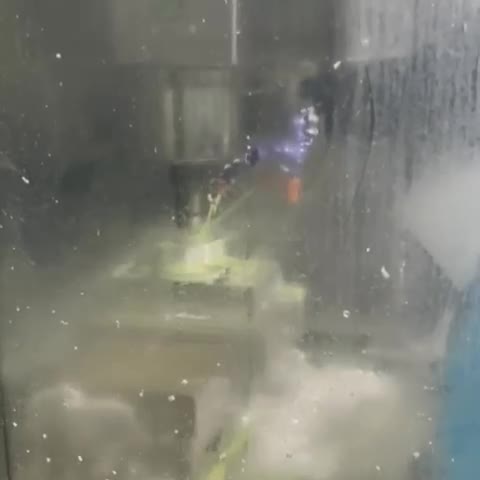
CNC machining is the process our partner factories and our team in China carry out most often for PAXIS customers. Parts are milled, turned and, where the geometry calls for it, machined on 5-axis centers in one setup. They are manufactured to your drawing, inspected by the factory and verified by our team in China.
| What we produce | Housings, holders, plates, brackets, pins, shafts, rings, gears and small mechanical parts. |
|---|---|
| Processes | 3-axis milling · 5-axis machining · turning · knurling and small hobbed teeth · engraving · re-machining after coating |
| Materials | Aluminum, stainless steel, iron and steel, brass, copper, technical plastics. The grade is set by your drawing. |
| Finishes | Anodizing including black, black oxide, passivation, PVD coating, heat treatment and hardening, painting, silk-screen printing. |
| Tolerances | To your drawing and specification. Tolerances and features that cannot be held are raised before production; any drawing change is approved by you in writing. |
| Surface | To your drawing. If an inside surface is hard to reach with the tool length the geometry allows, this is raised before the quotation. |
| Quantities | From about 10 first-article pieces to production lots of thousands, with repeat orders in scheduled batches. |
| Lead time | The lead time depends on the part and is stated in the quotation, together with the date the order will be ready at the factory. |
| Documents | Inspection report to your drawing or QC sheet; first-article report; material report or certificate where required; photos before and after packing. |
Prismatic parts such as housings, plates, brackets and holders, with pockets, bores, threads and datum faces machined to your drawing. Deep pockets and thin walls are reviewed at the drawing stage: if an inside surface finish is hard to reach with the tool length the geometry allows, this is raised before the quotation.
Compound angles and features on several faces, machined in one setup instead of several. Fewer setups mean fewer re-clamping errors between features that relate to each other. 5-axis centers are also used to engrave lettering on anodized parts where laser marking is not wanted.
Pins, shafts, rings, spacers and round holders, including knurling and small hobbed teeth. For toothed parts the factory checks the tooth count and pitch against your drawing and confirms them with you before production.
Chamfering and grinding, tapped and press-fit holes, and re-machining after coating so that contact faces stay bare where masking is not reliable.
| Material | Examples of grades | Applications | Suitable finishes | Note |
|---|---|---|---|---|
| Aluminum | Grade per drawing, e.g. 6061 | Housings, plates, holders | Anodizing including black, painting, silk-screen | Engraving after anodizing is possible. |
| Stainless steel | e.g. 316, 316L | Holders, pins, parts exposed to moisture | Passivation, PVD coating | 316 cannot be hardened by heat treatment. A hardness requirement drives the grade. |
| Iron and steel | Grade per drawing | Shafts, pins, wear parts, fixture parts | Black oxide, heat treatment and hardening, painting | Black oxide and QPQ are different processes. Specify the process required. |
| Brass | Grade per drawing | Gears, bushings, fittings, small turned parts | As machined, or on request | Free-machining brass grades turn cleanly; state the grade if the part is pressed or soldered. |
| Copper | Grade per drawing | Conductive parts, bus bars, contacts | On request | State whether conductivity or machinability has priority; this determines the grade. |
| Technical plastics | e.g. ABS, PA66 with glass fiber | Covers, insulating parts, prototypes of molded parts | Painting, silk-screen | Machined plastic is the standard route for prototypes before a mold is built. |
| Finish | Materials | What to specify |
|---|---|---|
| Anodizing, including black | Aluminum | Color, and faces or threads that must stay bare. Parts are blow-dried fully after anodizing to avoid drip and water marks. |
| Black oxide | Steel | Which faces are functional. Contact faces can be re-machined after coating to stay bare. |
| Passivation | Stainless steel | Whether a salt-spray test is required. The factory can run it where your drawing requires it. |
| PVD coating | Stainless steel | Color and where hanging or contact marks are acceptable. Their position is agreed with you in writing. |
| Heat treatment and hardening | Steels | Hardness range and where it is measured. It is checked against the material before the quotation. |
Tolerances come from your drawing and specification. Your drawings go to the production engineers of the factory selected for your part. If a tolerance or a feature cannot be held, we raise it before production, and any change to the drawing is confirmed and approved by you in writing. Production is to the drawing.
Critical dimensions that you circle, or that your QC sheet lists, are inspected and reported. Where a tolerance appears tighter than the function requires, it is raised at drawing review, before the quotation, for your decision.
Inspection and documents
The factory inspects each order to your drawing or QC sheet and supplies a report. Our team in China then carries out an independent quality verification at the factory, after production and before the goods are released, and the packing is photographed. Where you specify 100% inspection, every part is inspected. Where first articles are required, series production is released only after your written confirmation. Material reports or certificates are supplied where your drawing or PO requires them.
From a past order
Full-hard 316 is not always available in China. On one order the factory proposed half-hard 316, and the customer approved it in writing before production started.
Engineering note
If a coated part has electrical or locating contact faces, show them on the drawing. The factory can mask them, or re-machine them after coating.
From a past order
A long tool in a deep pocket leaves a rougher surface than the outside faces. If the inside surface is functional, specify it; its feasibility is confirmed before the quotation.
Engineering note
Black oxide, black anodizing, black PVD and QPQ are different processes with different appearance, thickness and corrosion behavior. The process named on the drawing is the one used; any change requires your written approval.
Engineering note
STEP files are welcome for programming. Where they disagree, the PDF drawing and its revision letter govern unless you specify otherwise.


Send to or@paxis-hk.com. The RFQ checklist explains each item.
Yes. Parts with features on several faces or compound angles are placed with factories that machine them on 5-axis centers, in one setup where the geometry allows.
There is no fixed minimum. The first-article quantity is agreed for each part, for example 10 pieces. Where a very small quantity is uneconomical for a process, this is stated before the quotation.
Only with your written approval. If a grade is not readily available, this is stated before the quotation, with an alternative.
The one on your drawing. The factory inspects to your drawing and the standards it calls up, and our team verifies the parts against the same drawing.
An inspection report to your drawing or QC sheet, a first-article report when first articles are made, material reports or certificates where required, and photos before and after packing.
The lead time depends on the part and is stated in the quotation, together with the date the order will be ready at the factory.
Yes, on request, before you send drawings. Drawings travel by email only and go only to the factory selected for your part.
You pay PAXIS in US dollars. There are no currency conversions and no payments to suppliers in China.
Machined · hardened · assembled
Base plates, locating pins, clamps and nests, and the welding and riveting fixtures that keep repeat batches identical.
QuantitiesSingle fixtures or small sets

Laser-cut · bent · welded · riveted
Brackets, panels, covers and enclosures, laser-cut, bent on a press brake, welded or riveted, with fixtures built for your part.
QuantitiesPrototype sets to production batches

Riveted · fitted · kitted
Riveted and welded sheet-metal assemblies, and kits of matching metal and plastic parts, painted to match and packed as one unit.
QuantitiesKits and sub-assemblies in scheduled batches
Email the PDF and STEP files with material, finish and quantities to or@paxis-hk.com, or use the short form. Drawing questions are raised before the quotation.